Photographers are, by nature, a hopeful species. Every year a new camera appears with more megapixels, cleverer autofocus and a sensor so advanced that it can apparently see in the dark, identify birds, detect eyes and perhaps, in a future update, make tea. Naturally we assume that this next marvel of engineering will finally transform our photography.
So we buy it.
My own journey through digital cameras began quite modestly with the Nikon D40 some time in 2007. It was a cheerful little machine that did exactly what a camera is supposed to do. It recorded whatever the photographer pointed it at. Around that time I had developed a particular fascination with small things. Insects, flowers, the mysterious lives of creatures that most people overlook entirely.
Macro photography, as it turns out, is a rather humbling business.
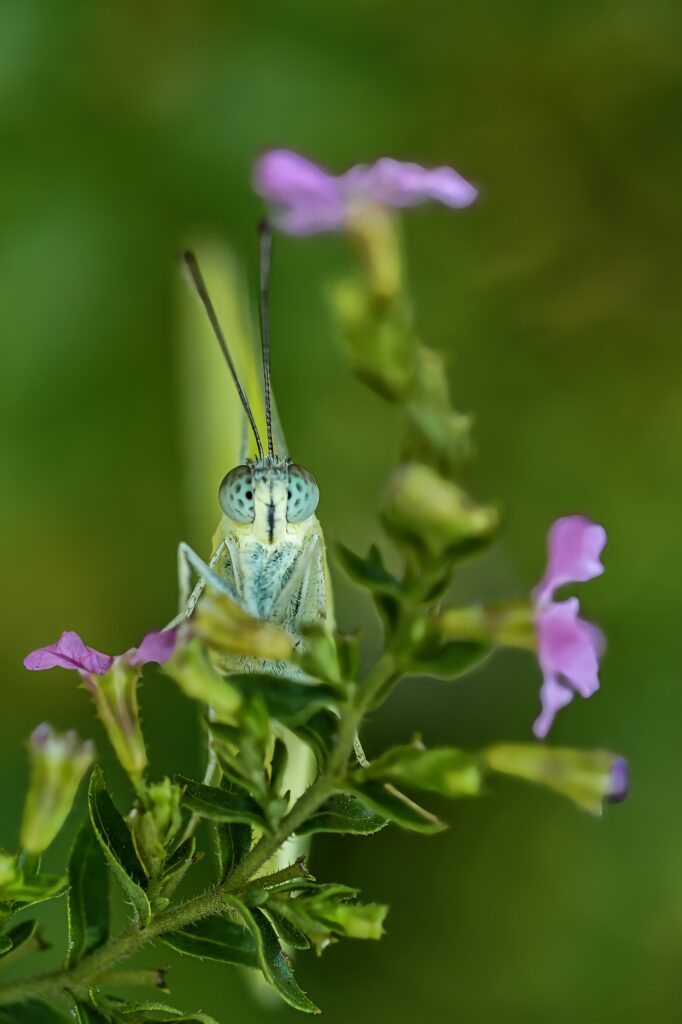
One crouches down in the grass with great determination while insects wander about with complete indifference. The light refuses to cooperate, the breeze shakes the flower at precisely the wrong moment, and the subject departs just as the focus becomes perfect. Still, the D40 managed quite well and produced photographs that seemed perfectly respectable.
But photographers have an unfortunate habit of believing that their cameras are holding them back.
So I upgraded to the Nikon D90. More megapixels, more controls, and a slightly more serious expression on the photographer’s face while adjusting settings. Surely macro photography would now reach dazzling new levels of excellence.
The insects, however, appeared entirely unimpressed.
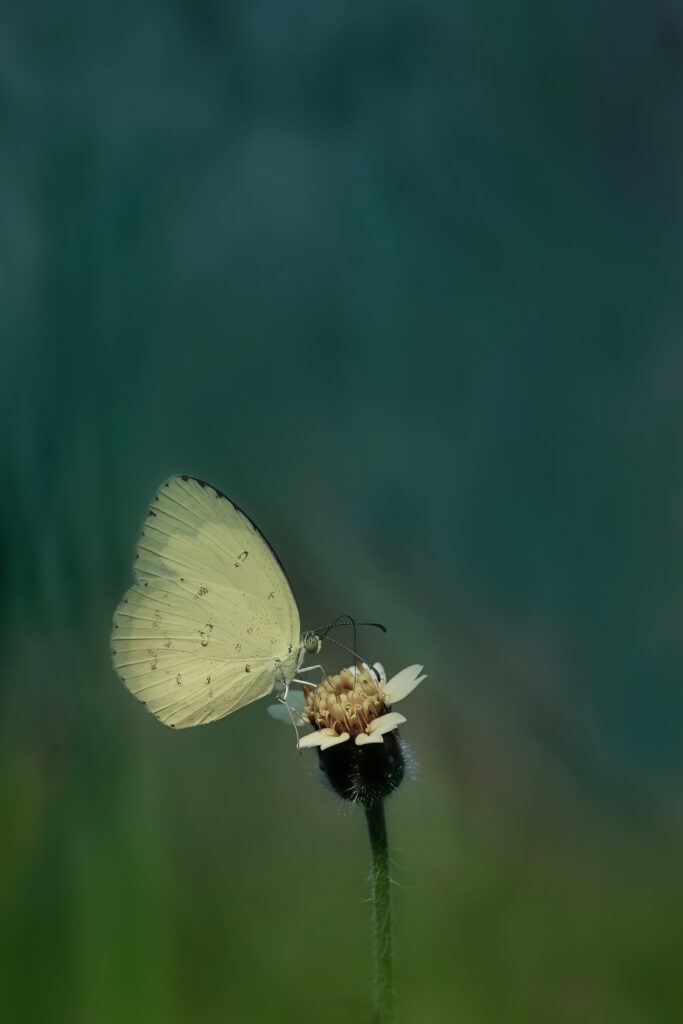
Photographs looked rather like the ones taken with the D40. Same dragonflies. Same bees. Same butterflies hovering around flowers. Same slightly hopeful attempts to capture delicate details on wings and petals while thinking about artistic composition.
Clearly the solution was another camera.
Next came the Nikon D700. Now this was a serious piece of machinery. A full frame sensor, excellent low light performance and the reassuring weight of something designed for important work. It felt magnificent in the hands. When one peered through the viewfinder, even a small flower appeared rather dramatic.
The insects continued behaving exactly as they always had.
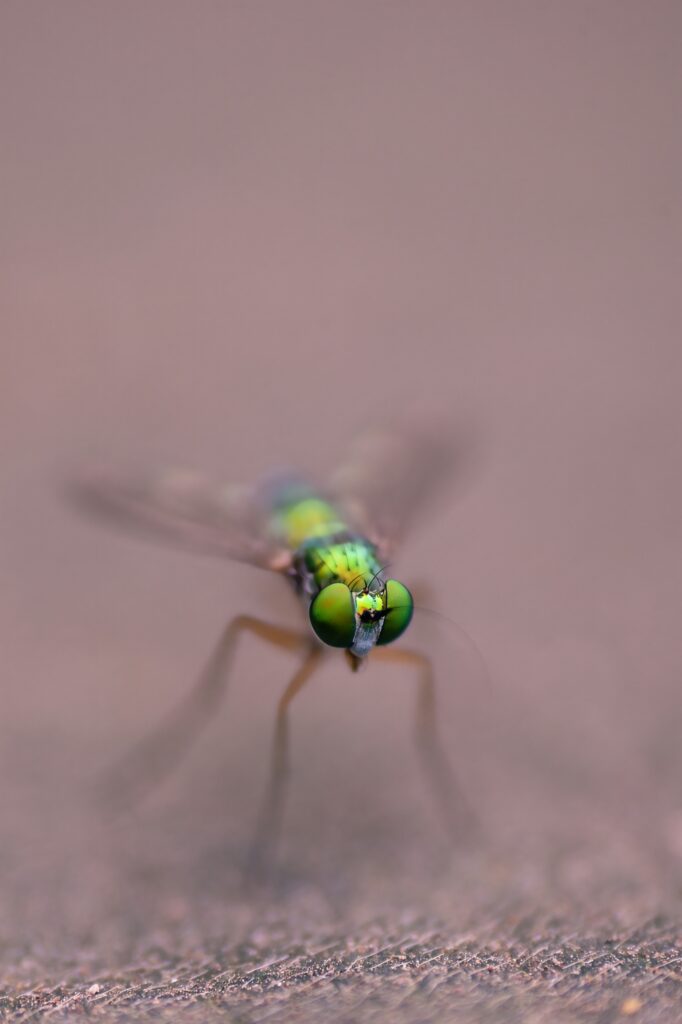
Eventually the Nikon Df joined the collection. It was beautifully designed with charming old-fashioned dials that made the photographer feel as though he was participating in something artistic and slightly historic. It was a delightful camera to use for macro work, particularly in quiet gardens where one could patiently stalk butterflies and beetles.
The butterflies and beetles, I should mention, remained entirely unconcerned with technological progress.
Somewhere along the way I wandered into Canon territory as well since having 1 camera from 1 brand clearly wasn’t artistic enough. The Canon 1000D arrived first, simple and dependable. Later the Canon 80D appeared with faster autofocus, improved sensors and the sort of technical sophistication that camera brochures become very excited about.
All of which was impressive.
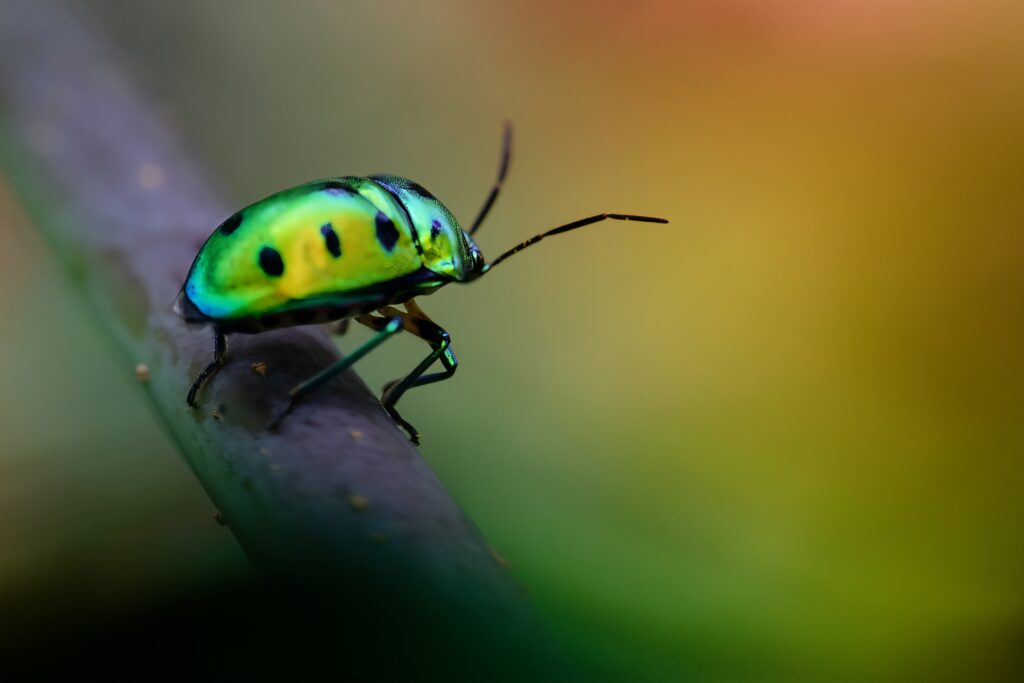
Yet when photographing insects at close range, the most important requirements remained stubbornly old-fashioned. Patience. Steady hands. A willingness to kneel awkwardly in the grass while pretending this was all part of the plan.
I always liked to shoot insects with an intention to make the image look artistic. I’ve never bothered about species identification or behaviour or whether its a rare butterfly or a common one. And I continued to shoot in a similar manner over the years.
The camera bag also grew heavier over time. A proper macro lens appeared, followed by another. And another. 55mm macro, 60mm macro, 90mm macro, 200mm macro. Tubes, focusing rails, diopters, raynox, misc accessories, and the occasional contraption designed to make small subjects appear even smaller in the frame before being enlarged enormously later.
Every new piece of equipment felt like artistic progress.
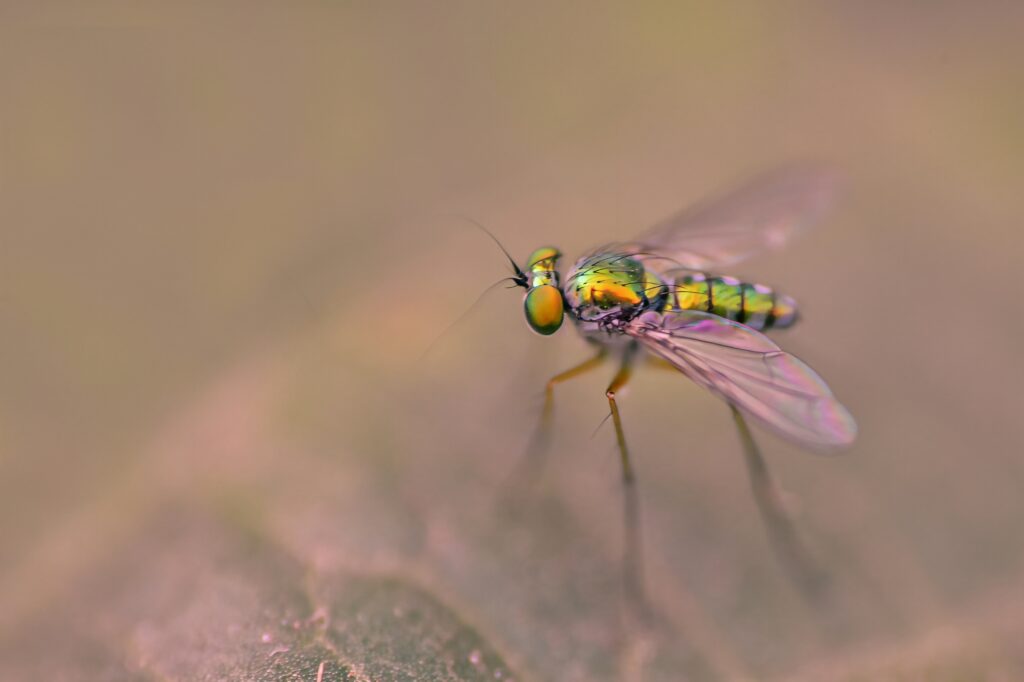
Then one afternoon, while browsing through old photographs from the early days of the Nikon D40, I noticed something mildly amusing.
The macro photographs looked remarkably similar to the ones taken years later with far more advanced cameras.
The same insects appeared. The same curious dragonflies resting on twigs. The same tiny spiders building elaborate webs. Even the flowers seemed to recognise the routine.
Technology had improved dramatically, of course. Modern cameras focus faster, capture more detail and handle light far more gracefully than their predecessors. Macro lenses today are wonderfully sharp and capable of revealing astonishing detail. But one still has to notice the small things.
A bee pausing on a flower. A dragonfly warming its wings in the morning light. A tiny spider constructing a web with quiet determination. These moments looked fascinating through the modest Nikon D40 and they continue to look fascinating through far more advanced cameras today.
In the end, macro photography remains a wonderfully simple pursuit. You slow down, look closely, and spend time observing a world that most people walk past without noticing.
The cameras have evolved impressively.
The insects, on the other hand, continue to behave exactly as they always have.
And my photos over the years look almost similar. Technology has evolved.
I haven’t.
But if a new camera appears next year promising even better macro performance, well, it would be terribly irresponsible not to buy it.
Very well narrated. Loved it
Thank you Doc.